
Construction vehicle on the outer side of the bridge
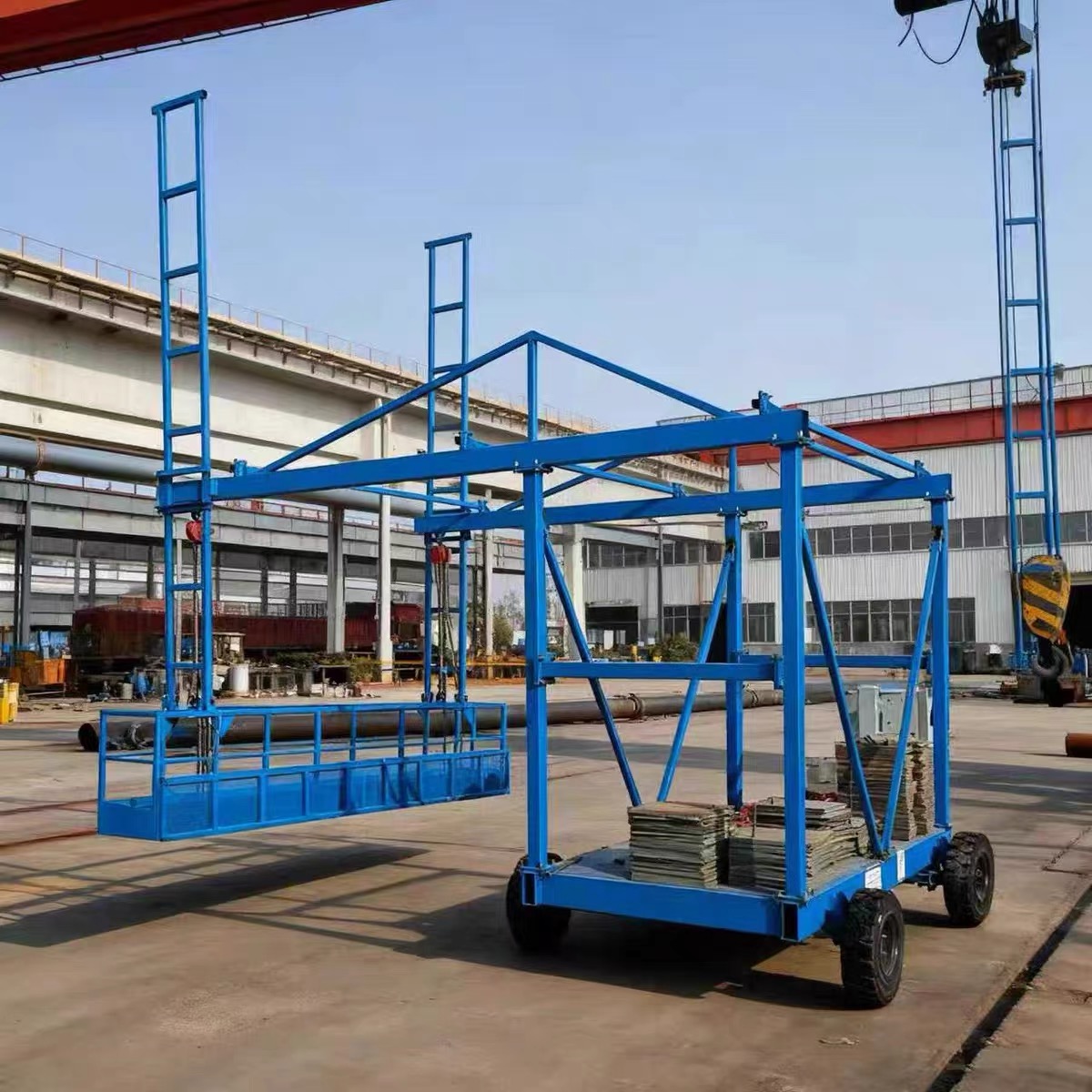
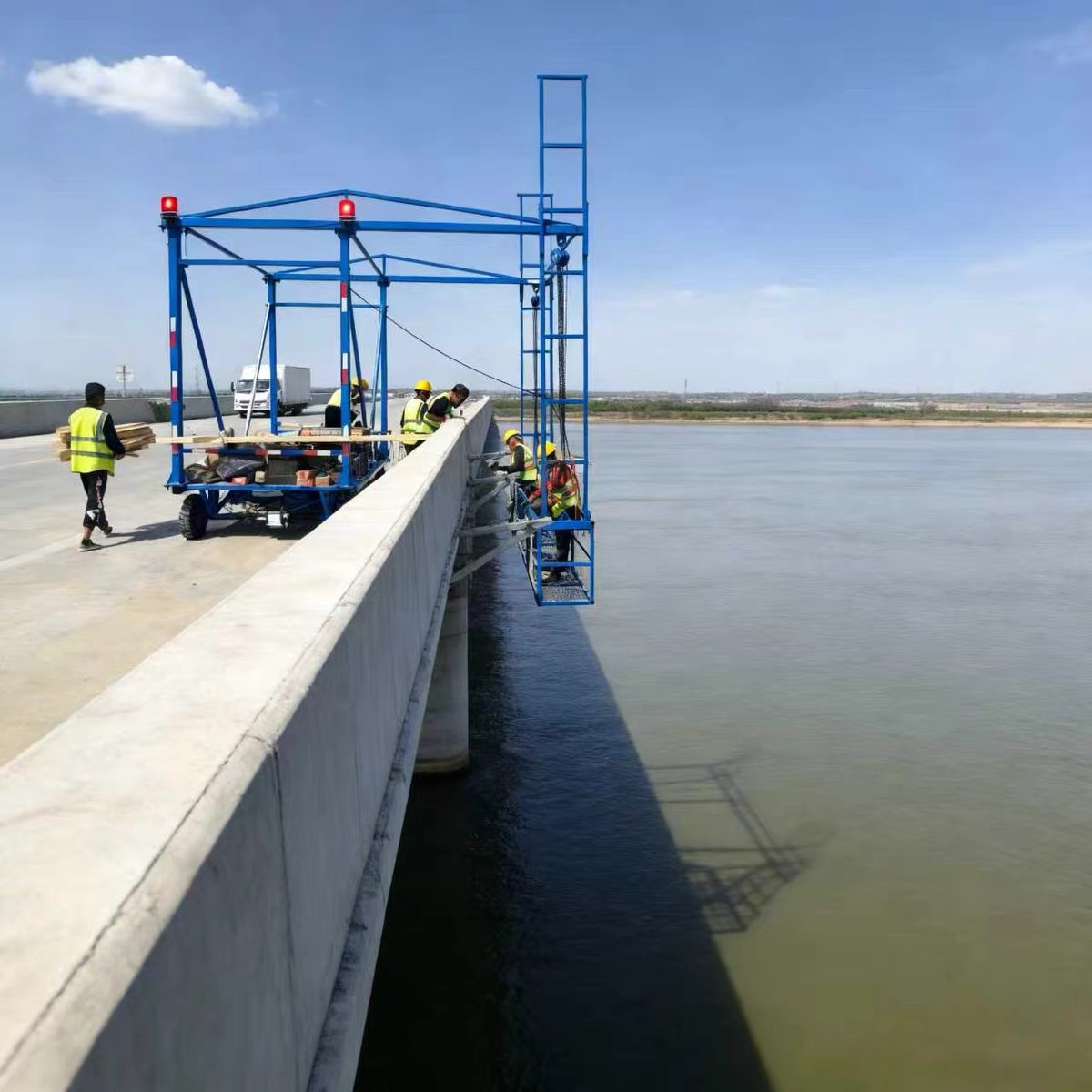
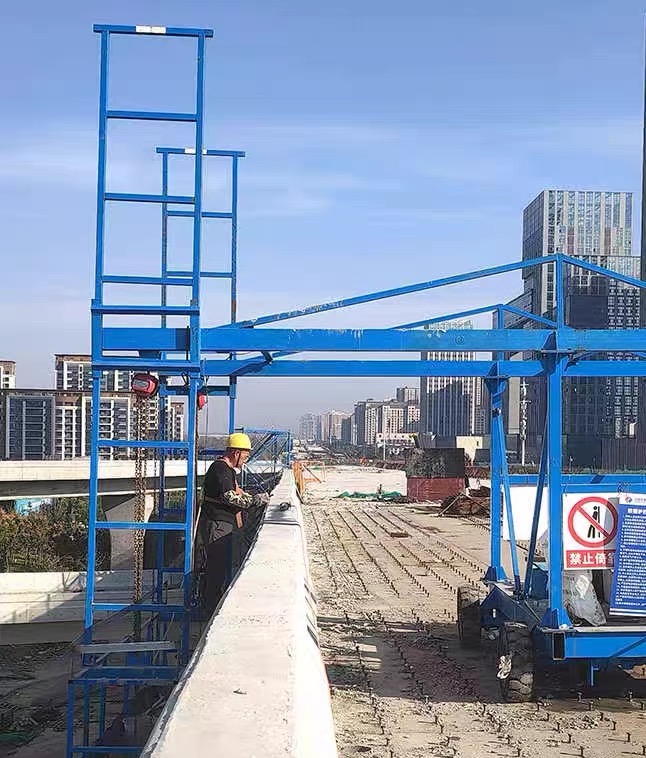
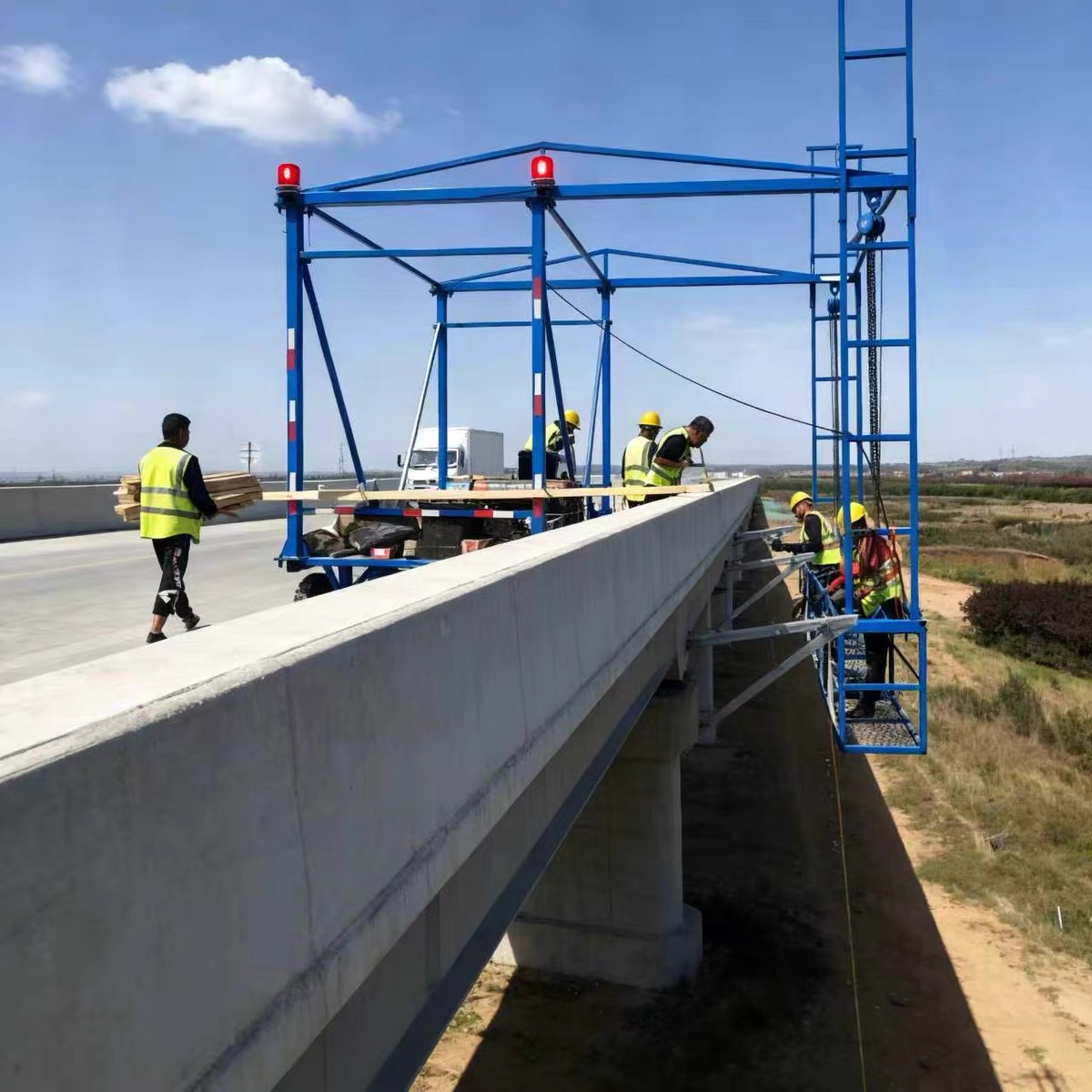
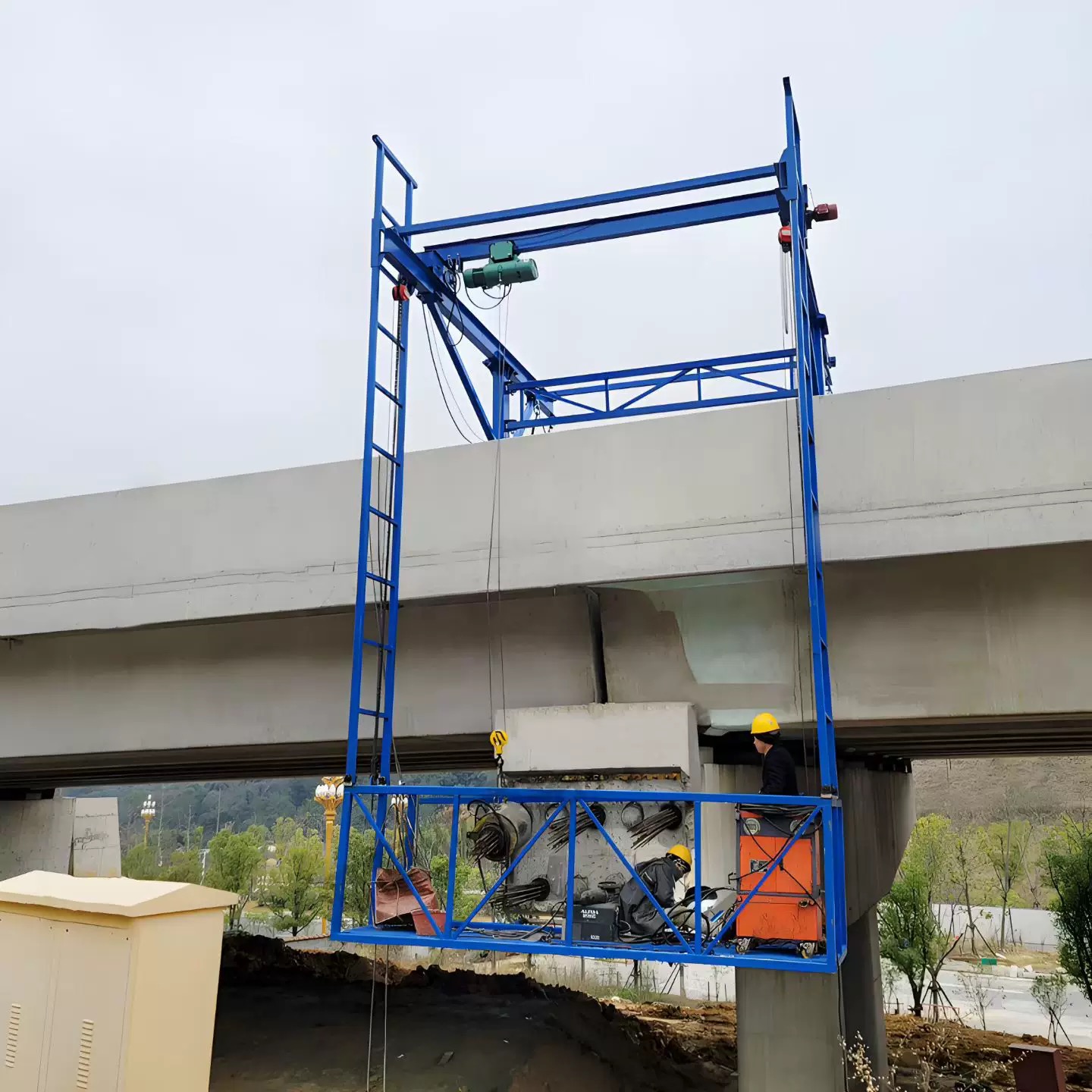
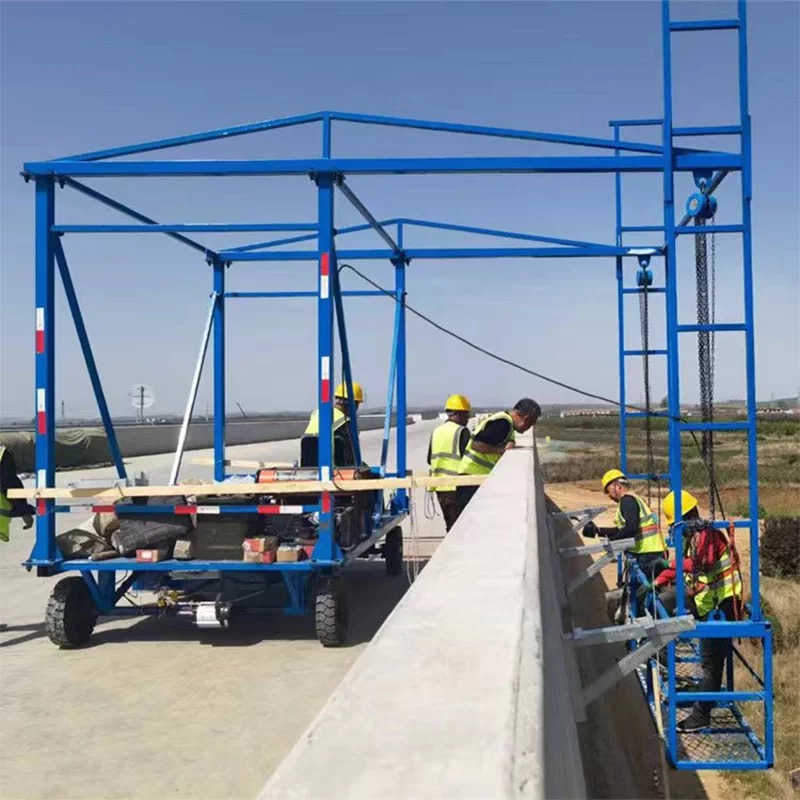
The external construction vehicle for bridges is designed as a modular unit for installing and removing formwork for bridge crash walls, featuring a simple structure, flexible mobility, ease of use and stability, high construction efficiency, and strong adaptability. This vehicle ensures the safety of workers performing tasks at heights. Combining the structural advantages of dual-body bridge cranes—including excellent overall safety, a straightforward design, and rapid operation—it is widely used for lifting, transporting, installing, and dismantling crash wall formwork on highway bridges, meeting requirements for both small-radius curved bridges and various other bridge types. It also proves particularly convenient in areas with favorable conditions for constructing flat or straight bridges. Most construction projects employ this configuration.
During the construction of highway crash barriers, edge protection constitutes a critical aspect that must be prioritized for safe work practices. Crash barrier formwork is typically designed in 6-meter or 9-meter segment modules, which are heavy and require traditional triangular supports, resulting in low construction efficiency and frequent safety incidents. Therefore, there is an urgent need for a construction equipment that enables rapid, safe, and efficient installation.
In bridge structures, crash walls are designed on both sides of the bridge to prevent vehicles from leaving the deck. Currently, the construction of these walls involves manually assembling small formwork pieces on-site using lifting equipment, installing formwork tie bolts, driving anchor bars into the bridge deck to secure tension rods and jacks, followed by concrete pouring. The formwork is removed only after the concrete reaches the required strength for demolding, and this process is repeated to complete all crash walls.